Coast FM Mornings with Rob McLennan: Wednesday 14 May 2025
MEDIA TRANSCRIPT
Radio Interview 14 May 2025 09:15am
Mornings with Robert McLennan, Coast FM
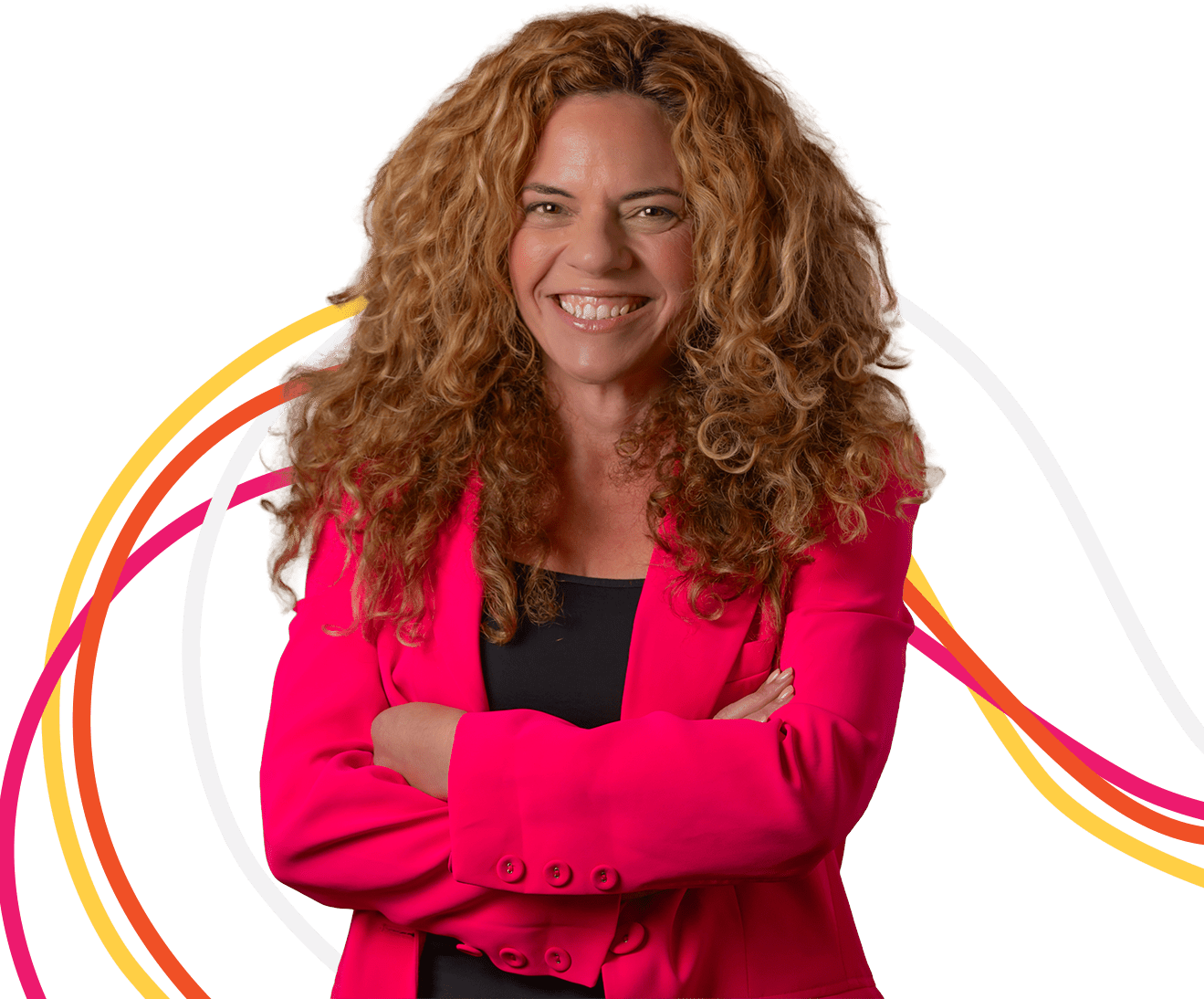
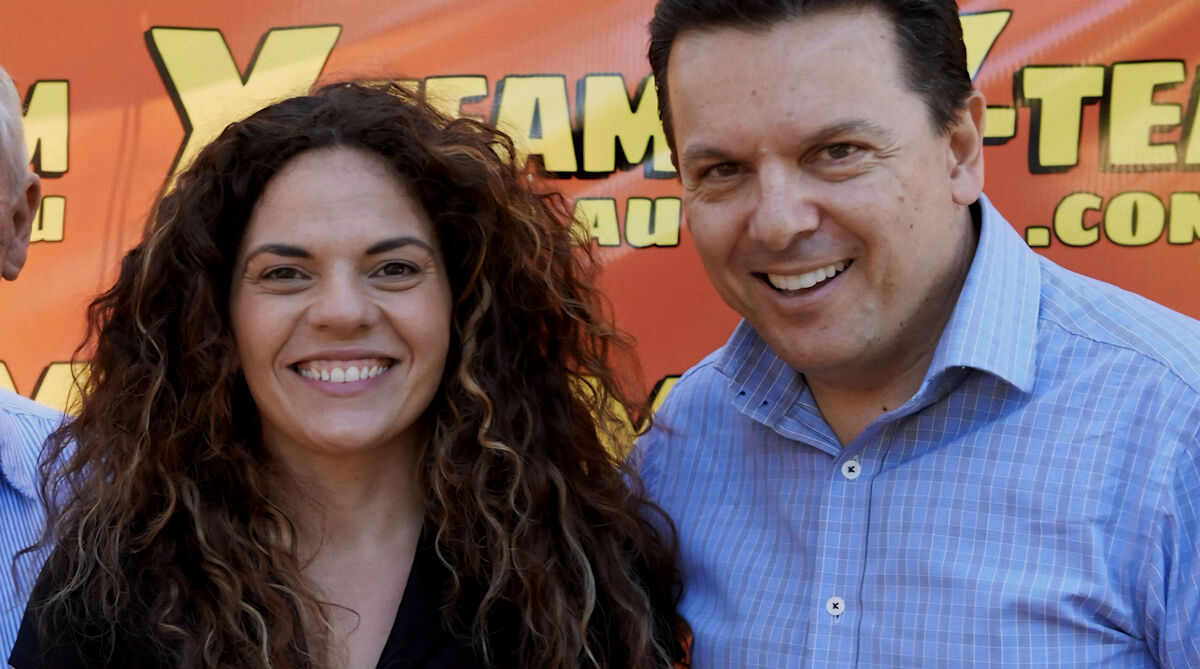
ROBERT MCLENNAN, HOST: My guest by phone is Connie Bonaros. Connie was elected as a member of the Legislative Council back in 2018. Although her political career across both state and federal level started fourteen years earlier. Firstly, as a senior advisor to Nick Xenophon, and later as a Chief of Staff to Senator Sterling Griff. And she's with me now. Connie, good morning and thank you for joining me.
THE HON CONNIE BONAROS, MLC: Good morning. Thank you for having me.
MCLENNAN: That’s a pleasure. Now, you’re a member of a number of parliamentary committees and I've always wondered how they work. You are currently chair of the Select Committee on Health Services, which continues to unearth systematic failures across the state's health system. What drew you to that committee?
BONAROS: When I first got into Parliament the topical thing at the time was the old transforming health policy of the former Labor government, which was an abysmal failure.
I did a lot of work with doctors who were talking to me and I still continue to do that work - about all the systemic failures in the health system.
MCLENNAN: Yes,
BONAROS: And we know we've had a health crisis for a very long time. So, one of the first things that I did was move to set up this health committee, and thankfully it's kept going. I don't know how I've managed to convince everybody to keep this committee there. But it's kept going and it's played a really critical role. It played a critical role in the lead up to the last election. I think Labor would say it played a really valuable role for them in terms of the whole ramping saga that we've heard so much about. But the health crisis in general, and the most important thing that committee does, is behind the scenes. I speak to a lot of people who work in health. I work with that sector very closely. They're often limited in what they can say publicly.
MCLENNAN: Yes.
BONAROS: But a health committee has the powers to call those people, or to call individuals working within SA and provide evidence to it. And that committee has unearthed some of the biggest bombshells in the health crisis that we've seen in the papers. It's not about political recognition. It is about giving a voice to those individuals and allowing them under the protection of privilege, to speak very truly and frankly about the true state of affairs in the health system.
MCLENNAN: Well, that's excellent. It doesn't get just washed away under the carpet.
BONAROS: No. And if I can give you a good example, Rob...
MCLENNAN: Yes.
BONAROS: Do you remember during Covid there was probably the most tragic story that that health committee unearthed was the cluster of baby deaths - cardio baby deaths at the Women's and Children's Hospital?
MCLENNAN: Yes.
BONAROS: I can't tell you how difficult that was to sit through and listen to, but it is a story that otherwise would not have made it into the public arena, and it's very much in the public interest. That was, that was a shocking, shocking case, where those babies had died in a very short period. And it resulted in a review, into why those babies had died, and what we did wrong during COVID, in terms of, you know, treatment of cardio babies and, and, and resulted in improvements of the system.
Wow. Connie, another select committee that you, uh, chair, well, you chair the select committee, I should say, on the Return to wWork, which I think is very important.
Yeah. That one again came off the back of probably what was the biggest surprise to the labor movement from this current Labor government in terms of the return to work reforms that the premier had announced. It's probably the first time we've seen the premier [00:04:00] also back down from a policy that, if I can speak to it in, in political terms, it was, it was very business centric and business driven, and it came at a great expense to workers and the labor movement. And that was probably what was most surprising about it, is you've got a premier here who is about to introduce some reforms, which would have a catastrophic effect on workers.
MCLENNAN: Yes.
And a positive result for business. Uh. I, I have always, in my work, supported the rights of injured workers and I found myself working hand in glove with the union movement on these reforms. And so we set up that committee so that we could do exactly the same as what we had done in health. Allow everybody impacted by these changes, to speak to them. We know that that would then gain traction publicly and it would make it more difficult for these reforms. And, inevitably, what we saw there was, major changes to those reforms that the Premier had announced. And some major concessions in terms of workers. And we're probably now just at the stage where we're about to deal with the last raft of changes that came off the back of those reforms and those committee findings. But more importantly, what the committee did, and this is unusual, but it's a good example of why probably... I won't say I was the best chair...but, um, I, I, I was in a unique position to chair that position... we had unanimous findings and recommendations between labor liberal and um. The, uh, cross bench sitting on that committee. What we've done is said; these are the things we need to do to improve the [00:06:00] system, but we also need time for the current reforms to sink in, allow them to settle so we can see what the repercussions of those are going to be before we go ahead and make more changes to the system. The system can't constantly cope with changes.
MCLENNAN: No. No.
BONAROS: And so the recommendations basically said, here's all the things that safe work can be doing to make things better for workers without the need for legislation. But when we next come to review this legislation, which will be after the election, here's all the legislative changes that we expect governments to implement.
MCLENNAN: I reckon that's a great example of how a small party, in this case, SA-BEST, and other small parties, can get together with government and, and work on hopefully, proper solutions.
BONAROS: Yeah. And opposition. Yes. Becuase I can't think of an instance where on a return to work instance, return to work case, we've had government and opposition singing from the same hymn book, Um, and, and I think that is the quality that we bring in the upper house. In terms of the cross bench work we do, yes, we can work between both parties. Um, and I am firmly of the view, Rob, that there is always a middle ground.
MCLENNAN: Um, and well, we, we talk from the same hymn book. I absolutely agree with you. Yeah.
BONAROS: So, so it works well. Yes. Um, well, it's worked well for me. Yes. That's been my approach to politics and I think it's, I think it's served us well far here, here.
MCLENNAN: Uh, and uh, finally, you've also just joined the select committee on water supply needs of the Eyre Peninsula.
BONAROS: Yeah, well that one's an interesting one. That one there was very contentious in Port Lincoln, in terms of where we would - there is absolutely no doubt that in that region, in that area of South Australia, unbeknownst to most of us here in the city, there is a water crisis. And [00:08:00] the locals have become so used to hearing about this water crisis for so many years that They almost don't believe that there is a water crisis. But there is.
MCLENNAN: There is. Yes.
BONAROS: And, and the issue, the issue that we were, um, debating there, um, and trying to find some middle ground on, which unfortunately we haven't had as much success on, is where the desal plant should . There is absolutely no question that there's a desal plant needed. And it's not needed just for Lincoln. It's needed for the entire region. Um, but. The location of that desal plant has great implications for Lincoln. At the moment, Um, Billy Light's point, um, which is smack bam, in the center of, uh, port Lincoln, um, was the cheapest, easiest, and fastest option for a desal plant. That doesn't mean it was the most preferred. So we really into looking at; what are the implications for this. We know how much of our economic activity is generated [00:09:00] via Port Lincoln because of the fishing and seafood industry. What impacts would this desal plant have on that industry in particular, but others as well?
Um, and how do we, how do we balance that against the need to address this water crisis, which is imminent in that region.
MCLENNAN: Here here. isn't it interesting? Almost 200 years ago, Flinder's, when he was traveling along that coast of the Eyre Peninsula and he discovered there was a great lack of water. So, uh, nothing's changed.
BONAROS: Yeah, nothing's changed at all. but it is, but it is very, it is very topical today. And I guess one of the important things of that committee is, you know, if you ask anyone, if you walk down the street today and ask anyone, do you know about any water crisises in South Australia? They'd probably say no. because it's out of sight and out of mind for all of us. Um, but it's very front and center of mind for the people, in those regions that are impacted by.
MCLENNAN: sorry, Connie. I was just going to, I interrupted you, I apologize. Yeah, no, that's okay. It's [00:10:00] 27 minutes past nine and I just wanted to close, uh, with, um, the fact that you sit on the legislative review committee and I wanted you to, uh, describe what that means.
BONAROS: The most important committee in Parliament House as far as I'm concerned, and one I'm about to head into now! Um, they're, they're responsible for scrutinizing, uh, legislation and regulations that are made by the government. And the reason I say it's the most important, and this is an important point to close on, over 90% of the legislation that impacts South Australians every day is actually not made by laws that are debated in Parliament but by regulation. It is very, very difficult, even for 69 members of Parliament to know on any given day what regulation is passing, that impacts the rights of South Australians. And that committee, uh, enables me, for one, to keep on top of all those laws, um, but two, to actually ensure that the laws are appropriate and do the transparency and accountability measures that we all expect. IT is critical. I can't overstate how critically important that committee work is.
Um, because so much of our law today is being made by regulation, codes, bylaws... instead of the parliamentary process.
MCLENNAN: Wow. Well, that's a great way to finish and you are well qualified. You've got a law degree, so uh, you're the right person to be sitting on that committee. Connie, thanks so much for joining me this morning.
BONAROS: Thank you. Thank you so much for your time. Okay. Thanks for having me.
ENDS.